Botany Floral: A Vector Graphic Toolkit for Creative Growth
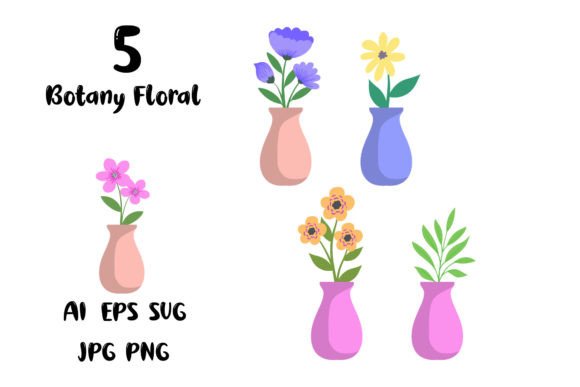
The delicate interplay of stems, leaves, and blossoms has inspired artists for centuries. In the digital realm, this inspiration finds a new, infinitely adaptable form. The Botany Floral vector design graphic is more than just an image; it's a foundational creative asset. It provides a complete, editable botanical illustration that serves as a versatile starting point for a wide spectrum of projects.
What makes this resource particularly interesting is its inherent flexibility. Provided as a set of vector files—including AI, EPS, and SVG formats—the design is not a static picture. It is a collection of paths and shapes that you can open, edit, color, resize, and deconstruct without any loss of quality. This means the same core graphic can be scaled down for a social media icon or blown up for a large-format poster, all while retaining crisp, clean lines. It bridges the gap between the organic beauty of natural forms and the precise needs of modern design work.
Unpacking the Creative Potential
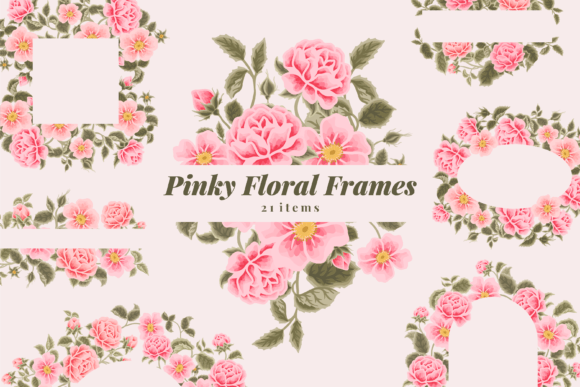
The immediate applications are clear: logos, t-shirt designs, website illustrations. But the true potential lies in how you interpret and adapt the elements. Think of the Botany Floral graphic as a garden of components. You might use the entire composition as a central brand emblem for a eco-friendly cafe or a botanical skincare line. Alternatively, you could isolate a single, elegant leaf to serve as a repeated pattern on packaging, or extract a cluster of flowers to animate in a short promotional video.
Stylistic variation is entirely in your control. By editing the vector paths, you can shift the aesthetic from soft and detailed to minimalist and geometric. Change the color palette to align with seasonal campaigns—pastels for spring, rich golds and deep greens for autumn. For a more abstract approach, you might use the shapes as masks for textures or photographic elements, creating a layered, contemporary feel.
Applications Tailored to Your Audience
Different creators will leverage this asset for different ends. A freelance designer might quickly customize it for a client's startup, saving hours of initial drawing time. A marketer could integrate elements into a consistent campaign across email banners, blog graphics, and printed flyers, ensuring visual cohesion. Educators could use the resizable PNG or JPG files in presentations or worksheets to illustrate biological concepts or simply add a touch of natural beauty to learning materials.
For small business owners, particularly in niches like crafts, wellness, or organic products, the Botany Floral design offers a path to professional branding without a massive budget. It can become the core of a logo system, where the main logo uses the full graphic, while simplified derivatives (like just the stem icon) are used for social media avatars or watermark seals.
Bloggers and content creators can slice the graphic into unique featured images for posts, customizing colors to match article themes. Hobbyists working on DIY wedding invitations or personal art projects can edit the SVG file in free software to create perfectly tailored decorations.
From Vector File to Finished Project: Practical Steps
To keep your results effective and original, start with a clear goal. Ask: who is my audience, and what should this graphic communicate? For a professional audience, simplicity and clarity might be key; you could simplify the Botany Floral design by removing some finer details for a cleaner, more corporate look. For a creative or consumer audience, you might amplify its organic details with vibrant colors.
Consistency is crucial when using the graphic across multiple formats. Establish a small palette of two or three colors and a set of rules—for instance, "the floral element always uses the primary brand color when used alone." Use the same edited version of the file for all applications. This builds recognition.
Don't feel constrained by the initial form. Vector editing allows you to rearrange. You could mirror elements, create symmetrical patterns, or duplicate and scatter flowers to form a new border. Combine it with other vector elements you own, like typography or geometric shapes, to create a composite design that feels uniquely yours.
Balancing Inspiration with Grounded Design
While the botanical theme is inherently evocative, grounding it in your project's practical needs will yield the best results. If you're designing a logo, consider scalability: will the intricate details still be recognizable when printed on a small business card? You might need to bolden some lines. For animations, think about how components can move naturally; perhaps leaves can gently sway or flowers can bloom sequentially.
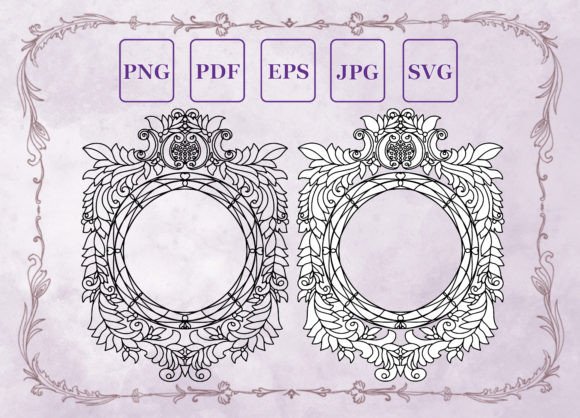
The included file formats each serve a purpose. Use the AI or EPS files in professional design software like Adobe Illustrator for deep editing. The SVG is excellent for web-based tools or importing into video editing software. The PNG and JPG are ready-to-use for contexts where editing isn't needed, such as quick mock-ups or placement in presentation software.
Ultimately, the Botany Floral vector graphic is a seed. Your creativity and project requirements determine how it grows. By focusing on your audience's needs and maintaining a clear, consistent visual language, you can transform this adaptable asset into effective, beautiful work that resonates—whether it's printed on a t-shirt, animated on a screen, or emblematic on a brand's homepage.