Floral Design Elements for Modern Spaces
Imagine injecting a breath of fresh air and vibrant color into your next design project with a single, powerful visual asset.
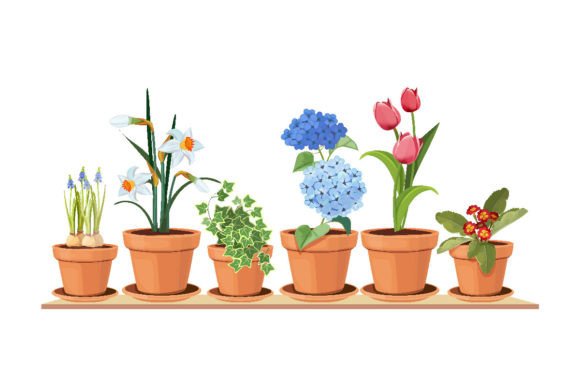
In the realm of graphic design, incorporating natural motifs like Spring Flowers and Floral Decorative elements is more than just adding beauty; it’s a strategic tool for communication. These assets, such as the isolated tulips in a pot or a houseplant shelf illustration described, bring a sense of renewal, warmth, and organic elegance to digital and physical spaces. They are versatile components that can transform branding, marketing materials, and user interfaces from generic to genuinely engaging.
The Strategic Value of Floral Visuals
From a professional design perspective, floral elements are not merely decorative. They carry inherent meanings—growth, freshness, positivity—which can be leveraged to align with a brand's core message. When used thoughtfully, these illustrations contribute significantly to visual hierarchy and emotional resonance within a layout.
Applications Across Creative Disciplines
The practical applications for high-quality floral vector assets are vast. Their scalability and isolation (like the provided tulips in a pot) make them ideal for diverse creative projects.
- Branding & Logo Design: A stylized floral element can become the centerpiece of a logo, especially for brands in wellness, lifestyle, gardening, or eco-friendly sectors, establishing a memorable brand identity.
- Digital & UI Design: In web design and UX design, these elements can be used as subtle background textures, iconography, or hero images to create a welcoming and modern aesthetic that improves user engagement.
- Marketing & Social Media: For digital marketing campaigns, consistent floral graphics across social media posts, email headers, and advertisements create a cohesive and visually appealing brand presence.
- Editorial & Print Design: In magazines, brochures, or annual reports, floral illustrations can break up text, guide the reader's eye, and add a premium, artistic quality to the layout.
- Packaging & Merchandise: Product packaging, labels, or merchandise like notebooks and apparel benefit immensely from these designs, communicating quality and a connection to natural inspiration.
Integrating Florals into Your Design Workflow
To use these assets effectively, consider them as part of a larger visual system. Here are key factors for successful integration.
First, ensure consistency with your existing color palette and typography. The soft pastels or vibrant hues common in spring florals should complement, not clash with, your brand colors. The style of the illustration—whether minimalist, detailed, or abstract—must also match your overall visual design language.
Scalability is crucial. A vector format (like the included EPS file) ensures the graphic remains crisp whether it's tiny on a mobile screen or enlarged for a poster. This maintains professional presentation across all touchpoints.
Always consider visual hierarchy. Is the floral element a focal point or a supporting accent? Its placement and size should serve the communication goal without overpowering essential information like headlines or calls to action.
Tips for Selection and Use
- Match the Mood: Select floral styles that evoke the desired emotion—serene lilies for calm, bold tulips for energy.
- Prioritize Isolation: Prefer isolated, clean illustrations (like the potted tulip) over busy, complex backgrounds for maximum versatility in different layouts.
- Think Beyond Decoration: Use these assets functionally: as icons, pattern repeats, or to frame text, enhancing both aesthetics and usability.
- Audience Alignment: Ensure the floral style resonates with your target audience’s expectations and perceptions.
Ultimately, the choice to incorporate Spring Flowers and Floral Decorative elements into your projects is a commitment to elevated visual communication. By selecting high-quality, versatile assets and applying them with strategic intent, you enrich not only the aesthetic appeal but also the clarity and emotional impact of your brand's story. This thoughtful approach to design resources empowers creators to build more meaningful connections with their audience, proving that great design is always in bloom.