Green Branch: The Versatile Hand Drawn Floral Ornament
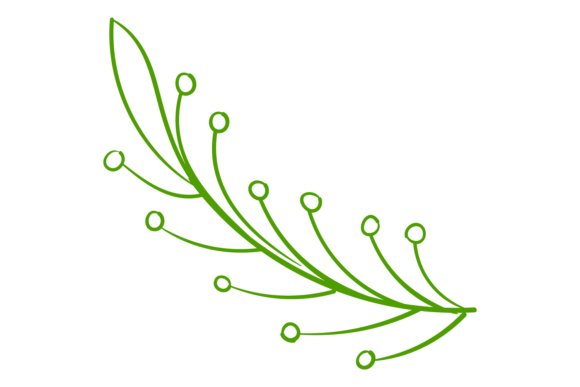
In a world saturated with digital perfection, a hand drawn element like the Green Branch ornament offers a touch of organic charm. This isn't just a simple leaf or a generic flower; it's a crafted illustration often depicting a graceful, leafy branch with delicate floral details, designed to be isolated on a white background. Its availability in versatile file formats—EPS for scalable vector editing, JPG for immediate use, SVG for web flexibility, and transparent PNG for seamless layering—makes it a powerful asset for a wide range of creative and professional projects. Whether you're designing a wedding invitation, refreshing a blog header, crafting a product label, or creating educational materials, this single element can inject warmth and authenticity.
Common Mistakes When Selecting and Using Hand Drawn Elements
The allure of a ready-made, beautiful graphic can sometimes lead to rushed decisions. Many creators, from enthusiastic beginners to busy professionals, overlook key details that turn a promising asset into a frustrating bottleneck. Understanding these common pitfalls can transform how you use resources like the Green Branch ornament and elevate your final work.
Ignoring the True Purpose of File Formats
A major oversight is treating all the provided file formats as interchangeable. You might download the JPG because it's familiar, then try to resize it dramatically for a large poster, only to find it becomes pixelated and blurry. Conversely, using the EPS file in a simple, non-professional design app like a basic photo editor will result in an error or a blank screen because EPS requires vector-based software. This mistake directly affects the quality and scalability of your project. The better approach is to match the format to your tool and goal. Use the SVG or transparent PNG for web projects where you need crisp scaling and easy background integration. For print design or any project requiring infinite resizing without quality loss, the EPS file is your essential choice. Always check your software's capabilities before downloading.
Forcing the Element into an Incompatible Style
The Green Branch ornament has a specific aesthetic: hand drawn, organic, and soft. A common creative misstep is trying to force this style into a design context that clashes with it. Imagine placing it next to stark, ultra-modern geometric fonts and sharp metallic textures. The element will look out of place, weakening the overall visual communication. The result is a disjointed and confusing presentation that fails to satisfy you or resonate with your audience. Instead, lean into its strengths. Pair the Green Branch with other hand-drawn fonts, warm color palettes, or natural paper textures. Use it to soften a corporate brochure, add a friendly touch to a tech startup's onboarding guide, or create cohesion in a nature-themed brand identity. Let the element's inherent style guide your complementary choices.
Overlooking the "Isolated on White" Advantage
The description "isolated on white background" is a critical feature, not just a phrase. Some users miss the incredible flexibility this offers. They might see the white background as a limitation and spend unnecessary time trying to manually cut out the branch from a complex scene. The provided transparent PNG already solves this. The practical advice is to leverage this isolation. It means you can place the Green Branch directly onto any colored background, pattern, or photograph without tedious editing. Before using it, check that you have the transparent PNG file if layering is needed. For a logo draft, place it over a brand color. For a social media graphic, layer it over a relevant photograph. This saves immense time and preserves the illustration's clean edges.
Evaluating Quality and Application Before Commitment
Before you integrate any asset into an important project, a few simple checks can prevent regret. Look beyond the initial beauty of the Green Branch ornament.
First, examine the line quality and detail at high magnification. Open the vector (EPS or SVG) file in your editor and zoom in. A truly well-crafted hand drawn element will have consistent line weight and intentional detail even at 400% zoom. A poorly made one will show shaky, uneven lines or clumsy fills. This level of detail ensures it will remain professional at any size.
Second, consider the composition's balance and empty space. A good floral ornament should have a natural flow and a balanced use of positive and negative space. Does the branch feel lopsided? Is there a awkward, empty gap that will make it hard to integrate with text? Testing it by temporarily placing some sample text next to it will reveal its compositional strengths or weaknesses for your specific layout.
Third, think about thematic versatility. While it's a "Green Branch," its floral aspects can imply spring, growth, or celebration. Could it, with a color adjustment in your vector software, work for an autumn theme? Evaluating its core shapes helps you see if it's a one-use asset or a versatile tool you can adapt for multiple future projects, increasing its value.
Better Practices for Integration and Long-Term Value
To move from simply using the element to mastering it, adopt a more strategic approach. Start by establishing a clear design intent before you even open the file. Ask: "Is this ornament meant to be a primary focal point, a subtle accent, or a repeating pattern border?" This decision dictates your sizing, placement, and file format choice from the start.
When editing, particularly with the EPS or SVG, respect the hand drawn aesthetic while making necessary adjustments. You can change the color from green to a muted gold or deep burgundy to suit a different season, but avoid altering the line work into perfectly uniform, computerized strokes. Maintain its organic character.
Finally, build a system around it. If the Green Branch ornament works well for your brand or style, use it consistently. Create templates that incorporate it for social media posts, newsletter headers, or presentation slides. This turns a single downloaded graphic into a cohesive visual language, strengthening your communication and saving you from searching for new, mismatched elements for every project. By choosing thoughtfully, applying harmoniously, and planning strategically, a simple hand drawn floral ornament becomes not just a decoration, but a reliable pillar of your creative toolkit.