Palm Leaves and Tropical Greenery: The New Visual Language of Modern Design
In a world saturated with digital imagery, the quest for authenticity and organic inspiration has led creators back to nature’s most striking forms. The visual motif of palm leaves and exotic floral greenery has transcended its botanical origins to become a powerful element in contemporary design and communication. More than just a decorative flourish, this tropical foliage represents a specific aesthetic and practical resource, often delivered as clean, isolated imagery on white backgrounds in formats like EPS and JPG. This shift speaks to deeper trends in how we work, create, and perceive visual information today.
Why Tropical Greenery is Resonating Now
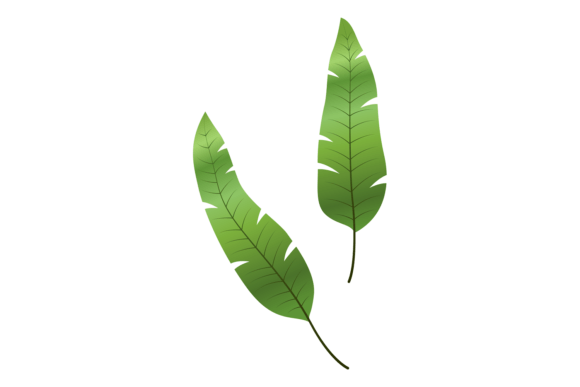
The appeal of palm leaves and exotic floral greenery is multifaceted. For professionals and creators, these elements offer an immediate connection to concepts of growth, vitality, and escape. In a cultural moment where wellness, natural aesthetics, and biophilic design are paramount, incorporating tropical visuals provides a shortcut to these feelings. Unlike generic stock imagery, high-quality isolated tropical tree foliage on a white background is a versatile asset. It serves not as a mere picture of a plant, but as a design component—a shape, a texture, a pattern waiting to be integrated.
This relevance is amplified by changing user expectations. Audiences now crave visually cohesive experiences that feel intentional and curated. A social media post for a boutique hotel, a website header for a wellness brand, or packaging for a new skincare line all benefit from the organic yet structured feel of palm leaf graphics. The isolation on white allows for seamless blending into any layout, color scheme, or brand environment, making it a pragmatic choice for marketers and business owners who need efficiency without sacrificing style.
The Evolution from Physical Decoration to Digital Asset
The journey of palm leaves from physical decor to essential digital file is a key part of its modern story. Historically, these leaves were symbols in art and actual elements in interior design. Today, their primary utility often exists on screens and in digital workflows. The demand for EPS and JPG files of tropical foliage isolated on white speaks directly to this evolution. An EPS vector file provides infinite scalability for logos, large-format prints, and product designs, while a JPG offers ready-to-use quality for web and social content.
This shift means that the palm leaf is no longer constrained by geography or season. A freelancer in a northern city can access and utilize the lushness of tropical greenery to evoke a specific mood or brand identity. This accessibility fuels its proliferation. Furthermore, the trend towards minimalist and clean design amplifies the value of isolated assets. A complex background can distract; a precisely cut palm leaf on a white background gives the designer total control, aligning with the modern preference for clarity and focus in visual communication.
Practical Implications for Creators and Businesses
Understanding this trend is not about simply using palm leaf images; it’s about understanding their strategic application. For the entrepreneur launching a new product, using exotic floral greenery in marketing materials can subtly communicate natural ingredients, a relaxed lifestyle, or sustainable values. For the blogger or educator, these visuals can break up text-heavy content with organic, engaging elements that are more relatable than abstract graphics.
- Branding & Identity: A recurring motif of specific tropical foliage can become a recognizable part of a brand’s visual language, fostering consistency across touchpoints.
- Content Creation Speed: Pre-isolated, high-resolution files reduce production time. Creators can quickly composite these assets into layouts without extensive photo editing.
- Cross-Platform Adaptability: The same core asset can be adapted for a website hero image, an Instagram story overlay, and a printed brochure, maintaining visual coherence.
- Emotional Resonance: These visuals tap into a universally positive association with nature, leisure, and beauty, enhancing the emotional appeal of any project.
Integrating Tropical Visuals into Modern Workflows
The practical use of palm leaves and exotic floral greenery files fits neatly into contemporary creative and business workflows. In an era where remote collaboration is common, sharing a well-organized library of such assets—like categorized JPG and EPS files—ensures team members can maintain visual consistency regardless of their location or design expertise. For solo creators and hobbyists, these resources empower high-level output without requiring professional botanical photography skills.
Consider a few realistic examples. A digital marketing agency might use a stylized palm leaf pattern as a background texture in a campaign for a tropical resort, ensuring all ads feel part of a unified series. An independent stationery designer might use vector foliage (EPS) to create a repeating pattern for a notebook line, easily scaling it for different product sizes. A lifestyle blogger might use isolated greenery as decorative elements within blog post graphics, making each post visually distinct yet tied to a natural theme.
The recommendation is not to use tropical greenery indiscriminately, but to select it with purpose. Does the specific leaf shape align with the brand’s personality? Is the style of the graphic—whether realistic or illustrated—consistent with other design elements? This intentionality ensures the trend moves beyond decoration into meaningful communication.
The Balance of Trend and Timelessness
While currently prominent, the use of palm leaves and exotic floral greenery is anchored in timeless principles. Organic shapes and references to nature have long been pillars of compelling design. The current iteration is distinguished by its format: the isolated, ready-to-use digital asset. This makes the trend less about a fleeting fashion and more about a lasting shift in how visual resources are packaged and consumed.
For professionals looking ahead, the key is to leverage these assets while building a unique visual context around them. The palm leaf itself is a natural form; its application is where creativity happens. Combining it with custom color palettes, unique typography, or innovative layouts ensures the final work stands out, even while utilizing a popular motif. This approach respects the trend’s utility while avoiding generic outcomes.
The Greenery as a Component of a Larger Story
Ultimately, the rise of palm leaves and tropical foliage imagery is a chapter in the larger story of digital design seeking organic infusion. It reflects a desire to balance the sleekness of technology with the irregular beauty of nature. As workflows continue to evolve and the demand for both speed and aesthetic depth increases, these versatile, naturalistic assets will likely remain integral tools.
Their value lies in their duality: they are both deeply symbolic and functionally pragmatic. They can evoke a lush, faraway paradise while sitting neatly in a folder on a desktop, ready to be dragged into a layout. For the modern creator, marketer, or business owner, this combination of inspiration and utility is precisely what makes palm leaves and exotic floral greenery not just a trend, but a staple in the contemporary visual toolkit.