The Poetry of Flora: Transforming Wedding Spaces with Spring’s Natural Elegance
The essence of a spring wedding lies in its communion with the season itself—a celebration that draws upon the burgeoning life, soft light, and delicate palette unfolding outdoors. Within this context, the floral element becomes not merely decoration, but the central language of design. From grand architectural installations to the smallest boutonniere, flowers articulate theme, emotion, and personal narrative. For planners, designers, and couples, understanding how to harness these natural materials, particularly through versatile digital assets like the Spring Wedding Decor. Floral Element. Na—a concept representing natural flowers isolated for design use—opens a world of creative and logistical possibility.
The Foundational Role of Florals in Spring Wedding Design
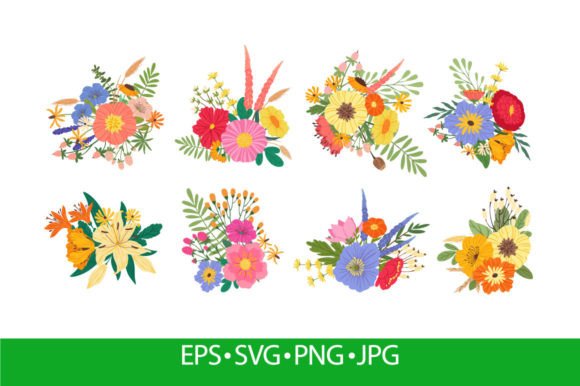
Spring wedding decor is inherently symbiotic with floral design. The season offers a specific tonal range: soft pastels of peony and lilac, vibrant yellows of daffodil, clean whites of gardenia, and the fresh greens of new growth. These colors and textures become the guiding palette for everything from table linens to invitation suites. However, the practical integration of florals extends beyond physical blossoms. The process of design often begins in the digital realm. A floral element isolated on a white background, available in EPS, JPG, SVG, and transparent PNG formats, serves as a critical tool. For the professional designer, these vector and high-resolution files allow for seamless incorporation into mood boards, digital invitations, website graphics, and even fabrication guides for custom decor, ensuring a cohesive visual identity from the first online sketch to the final venue setup.
Beyond the Bouquet: Applications of the Isolated Floral Motif
The utility of a clean, isolated floral image file is manifold across different user groups. Consider these real-world applications:
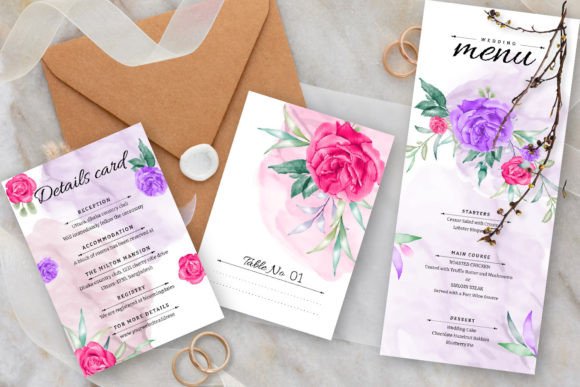
- For Stationery Designers and Print Professionals: An SVG or EPS file of a specific spring flower, like a ranunculus or cherry blossom, can be scaled infinitely without quality loss. It becomes the repeat pattern on envelope liners, the watermark on ceremony programs, or the embossed detail on menu cards. This ensures print-ready precision and brand consistency.
- For Digital Content Creators and Educators: A transparent PNG of a floral element allows bloggers, educators, and social media managers to create engaging content. They can overlay these images onto photos of venues, tablescapes, or attire to illustrate design concepts, create tutorials, or craft downloadable planning checklists for their audience.
- For Venue Coordinators and DIY Couples: A high-resolution JPG serves as an excellent reference image. It can be used in consultations with florists to specify exact flower types, shared with rental companies to match china patterns, or used by DIY couples to create their own hand-painted signage or table numbers, bringing a personalized, natural touch to their celebration.
The Na component—signifying the natural, authentic representation of the flower—is crucial. It guarantees that the digital asset retains the organic imperfections, nuanced color gradients, and true morphology of the real bloom, preventing the design from feeling sterile or artificially graphic.
Characteristics of an Effective Spring Floral Design System
Building a wedding decor scheme around florals, whether physical or digital, requires attention to specific characteristics that define success.
- Cohesion Through Repetition: The isolated floral element should be used as a repeating motif across all touchpoints. This visual thread ties the digital invitation to the welcome sign at the venue, to the cake decoration, and to the thank-you cards post-event. This repetition creates a powerful, memorable aesthetic narrative.
- Scalability and Adaptability: A true floral asset pack, offering multiple file formats, is inherently scalable. The same element can be a tiny icon on a website and a large-scale projected image on a dance floor backdrop. Its adaptability means it works for intimate garden weddings and large ballroom events alike.
- Seasonal Authenticity: The chosen flowers must be recognizably spring. Forcing autumnal dahlias or summer sunflowers into a spring theme creates dissonance. Leveraging seasonal blooms like tulips, hyacinths, sweet peas, and blossoming branches ensures the decor feels integrated with the time of year, often resulting in better availability and cost-effectiveness for physical florals.
The Workflow: From Digital Asset to Physical Reality
Observing a professional workflow reveals the seamless bridge between the digital floral element and the physical decor. A designer might start by selecting a key flower—an anemone, for instance—from a collection of isolated files. This anemone image (as an EPS) is used to design the monogram for the couple. The same image (as a high-res JPG) is sent to the florist as a color and style reference for the actual centerpiece anemones. Finally, a derived pattern from the SVG file is sent to a fabric printer to create the linen napkins. This holistic use ensures no detail is orphaned; every piece of the wedding speaks the same floral language.
Advantages of a Flora-Centric Design Approach
Focusing on the floral element as the cornerstone of spring wedding decor presents distinct advantages, both aesthetic and practical.
Firstly, it provides a unifying design anchor that is emotionally resonant. Flowers carry intrinsic symbolism and beauty that guests immediately understand and appreciate. This natural anchor simplifies decision-making; once the core floral palette and style are set, choices for other elements (like metal finishes, candle styles, or even bridal party attire) become easier to align.
Secondly, it offers significant flexibility within a theme. A “spring floral” theme can range from wildflower rustic to orchid modernist, all while staying within the seasonal framework. The digital assets allow for exploring these sub-styles quickly and cost-effectively before committing to physical purchases or floral contracts.
From a logistical perspective, using isolated floral files facilitates clearer vendor communication. Instead of ambiguous descriptions like “pastel pink flowers,” a planner can share a specific PNG file with the florist, cake artist, and drapery company, minimizing misinterpretation and ensuring all vendors are synchronized visually.
Key Considerations for Implementation
While the approach is powerful, certain considerations must be acknowledged. The quality of the digital floral asset is paramount. A low-resolution, poorly isolated JPG will pixelate when scaled, breaking the cohesion. Therefore, sourcing or creating high-quality, multi-format files is a foundational step.
Balance is also essential. The floral motif should be applied with thoughtful variation to avoid overwhelming the senses. Perhaps the bold pattern is used on the dance floor, while a subtle, single-line drawing of the same flower appears on the glassware. This creates rhythm and depth in the decor.
Finally, always consider the transition from digital to physical. The chosen digital flower should be a species that is feasibly available in your region during your wedding month. Consulting with a florist early in the process, using your isolated floral images as a reference, can prevent beautiful digital designs from becoming impractical or prohibitively expensive physical realities.
Evolution and Trends: The Living Element in Modern Weddings
The use of florals in wedding design continues to evolve. Beyond traditional arrangements, we see trends like immersive floral arches that guests walk through, floral chandeliers suspended over tables, and even floral dyes used to color silk ribbons and fabrics. The corresponding digital assets have evolved too. Now, collections of Spring Wedding Decor. Floral Element. Na files might include not just the bloom, but also isolated stems, leaves, petals, and even dewdrops or pollen textures, allowing for ever more nuanced and layered digital design.
This depth enables creators to build entire visual ecosystems. A hobbyist might use these elements to craft a virtual wedding website with animated floral borders. A business owner in the event industry could use them to create compelling service brochures. Researchers or educators might utilize them in studies or presentations on botanical aesthetics in celebration culture.
In conclusion, the floral element in spring wedding decor is a dynamic and profound tool. When captured authentically as a natural, isolated digital asset, it becomes the seed from which a complete, cohesive, and breathtaking wedding design grows. It empowers professionals with precision, inspires creators with possibility, and ultimately helps couples translate the ephemeral beauty of spring into the lasting memory of their celebration.